
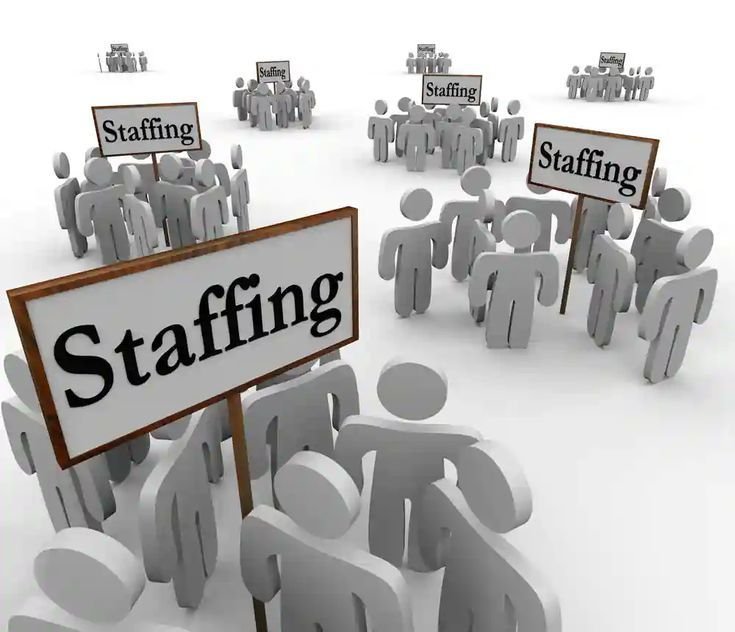
Effective staffing plays an important role in improving work-life balance by helping organizations implement flexible work policies have the right number of skilled professionals to handle work responsibilities effectively. Sufficient staffing can prevent excessive workload demands, overtime, burnout, and pressure caused by understaffed teams.
Staffing companies can help organizations manage changing workforce requirements by providing permanent, temporary, contract, and project-based professionals. Flexible staffing allows businesses to increase workforce capacity during periods of high demand without placing excessive pressure on existing employees.
Modern staffing processes use applicant tracking systems (ATS), Customer Relationship Management (CRM) platforms, artificial intelligence (AI), workforce analytics, and recruitment automation to identify suitable candidates efficiently. Faster hiring and better workforce planning can help organizations distribute responsibilities more effectively.
Employers can further support work-life balance through realistic workloads, flexible schedules, adequate staffing levels, clear responsibilities, regular breaks, and effective communication. Staffing teams should also consider employee skills and availability when connecting candidates with suitable job opportunities.
A well-planned staffing strategy can improve workforce performance, employee satisfaction, retention, and operational productivity continuity while creating a positive and sustainable workplace environment.